In English
-
-

Difficult subjects in teaching – what is a teacher allowed to say?
University atmosphere determines what a teacher is able to say when teaching and what is kept quiet. According to several researchers, these subjects have changed in the last decades.
-
-
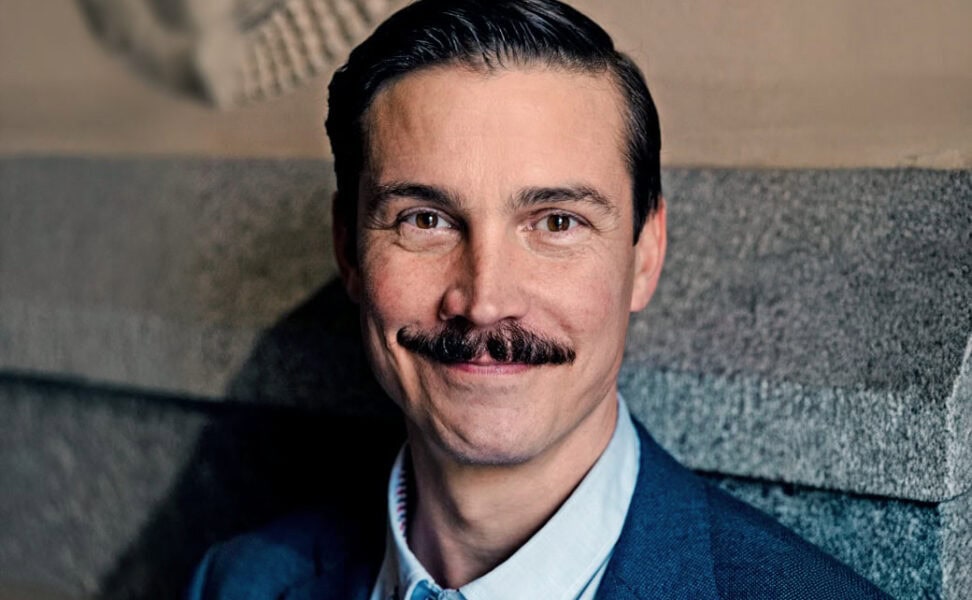
The Academic of the Year Timo R. Stewart: Researchers’ role in public in need of discussion
Intentional misunderstandings, hate speech, silencing attempts. Academic of the Year, researcher and non-fiction writer Timo R. Stewart has had to witness these over the course of his career. In his opinion, a researcher conducting science with public funds plays an important role in social discourse.
-
-
A researcher must not be left alone in a harassment situation
Harassment and coercion threaten the work of researchers and other experts. To ensure their freedom of expression, coordinated cooperation from the research community is required, both domestically and internationally.
-

Fragile freedom
The Trump administration is cutting research funding and compiling lists of banned words. But Europe is not free of threats against science either.
-
-
-
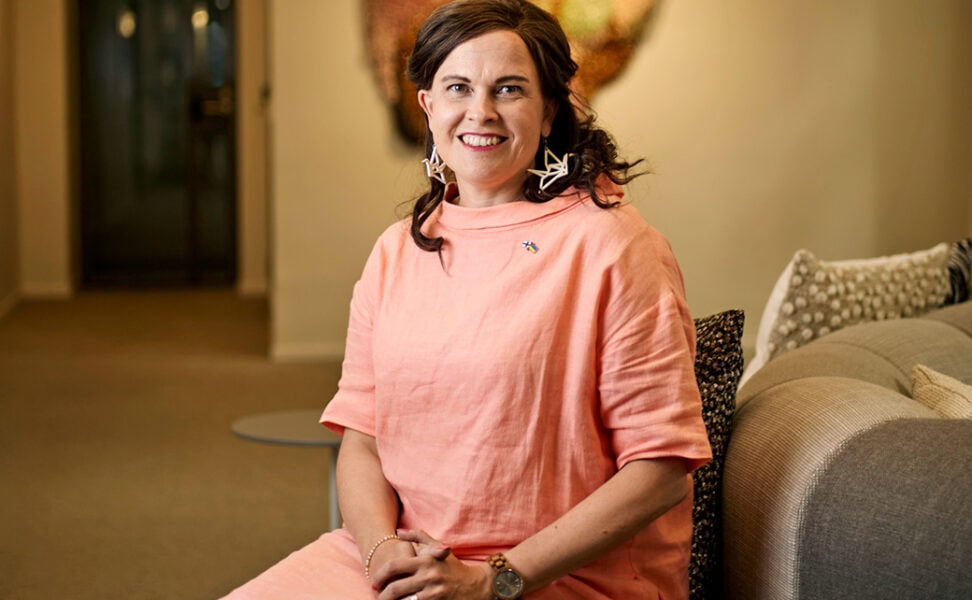
Raising the higher education rate is Finland’s trump card for the future
Minister Mari-Leena Talvitie’s goal is to open the doors of higher education institutions to at least every second young person. By increasing RDI funding, she wants to secure a strong capability to innovate for Finland in the future. At the same time, she is aware of the difficulties of increasing the education level and research funding.
-
Certainty about the future would convince to stay
Finland wants more academic experts from abroad, but many of those who move here depart after a few years. What could be done differently?
-
-
Why is there a desire for a new higher education and research vision?
Eight years ago, the Ministry of Education and Culture published their vision extending to 2030. Initiated by Minister of Science and Culture Mari-Leena Talvitie, the vision’s reworking process looks towards 2040.
-
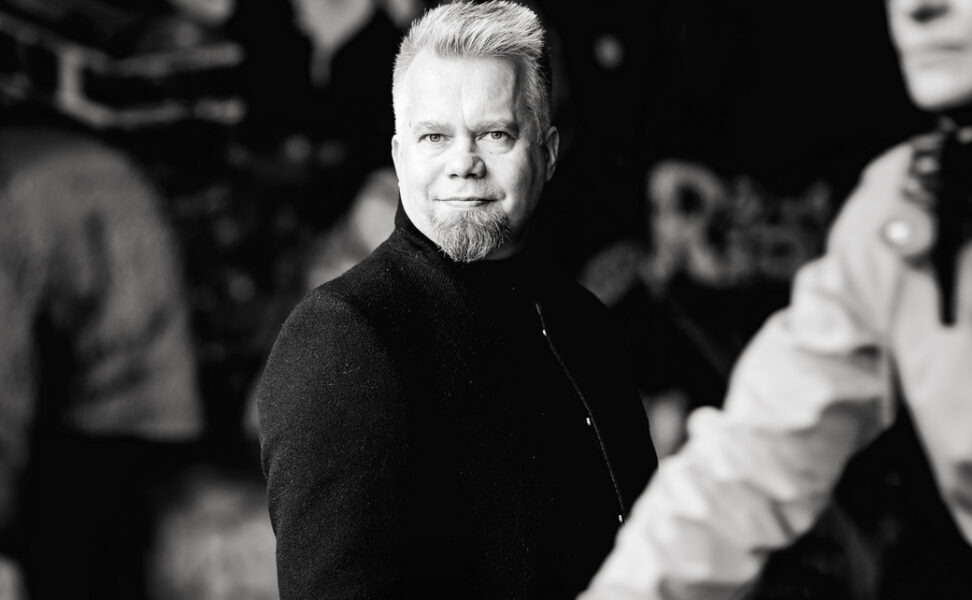
Pasi Lyytikäinen, composer and doctor: provoking boundaries and turning the wordless into words
Composer Pasi Lyytikäinen’s career combines lonely and communal work, shyness and the drive to perform, the rhythm of language, and nonverbal expression.
-
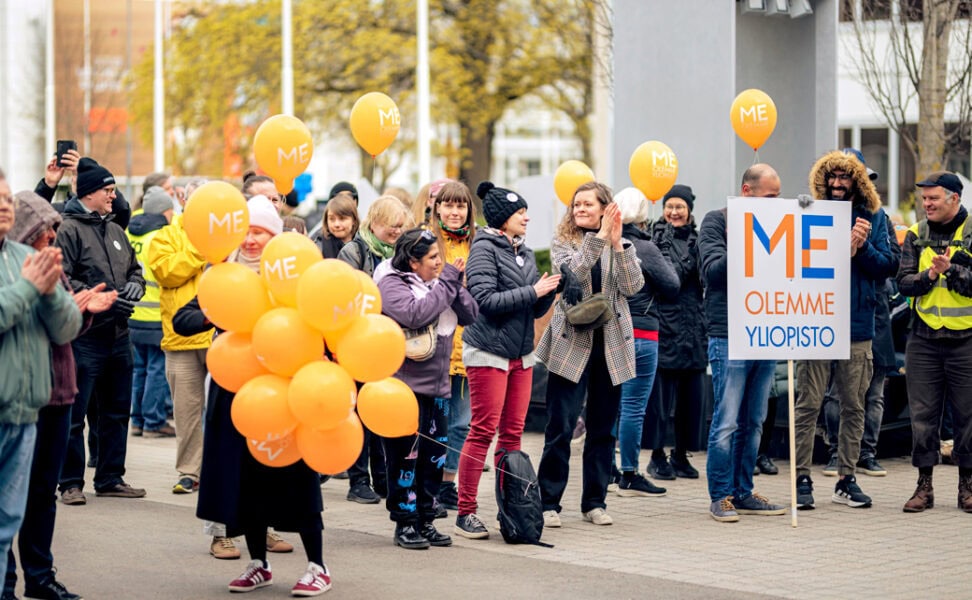
Our voices must be heard!
The Tampere University gave a face to 35,000 Finnish university employees. The message of the strike day was unanimous: Our voices must be heard. We must be taken seriously.
-

Researchers under a loupe
The work of researchers is constantly evaluated in each phase of their career path. Amongst the science community, efforts are being made to develop responsible researcher evaluation. On what criteria should researchers be evaluated?
-
-

The rapid start to the doctoral pilot
The doctoral education pilot is showing progress – articles have already been published and employment connections made. The three-year goal demands new practices from universities and limits what can be achieved.
-
-
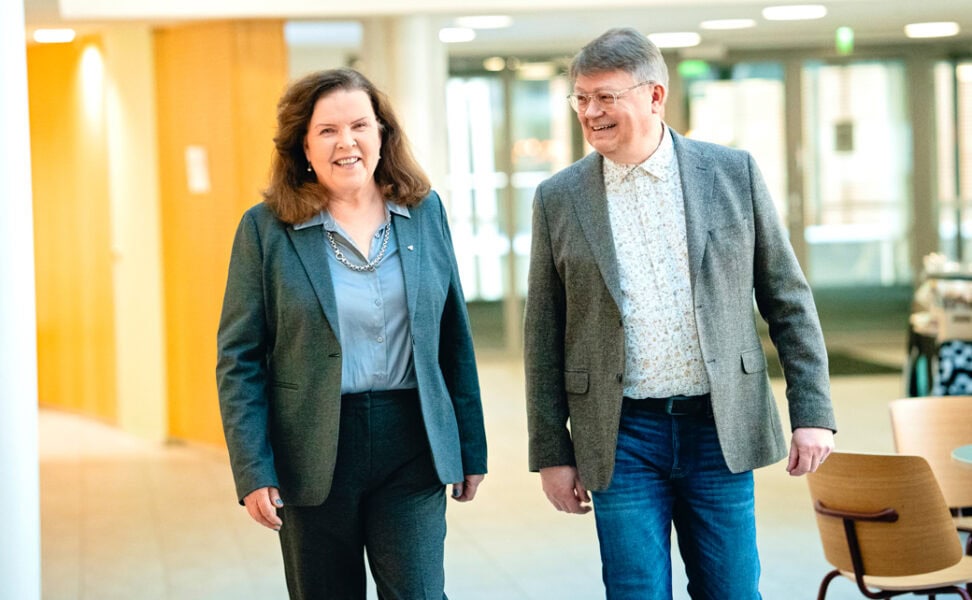
New union presidents: Fix university core funding
The Finnish Union of University Professors and The Union of Research Professionals new presidents want more core funding for universities. International staff should also be fully included in university operations. This also affects the unions’ own services.
-

A more language-aware work community is everyone’s benefit
If more than one language is spoken in a work community, the use of languages should be planned and developed with intent. This is called language awareness. The Union of Research Professionals, for example, has created concrete recommendations for its development.
-

What significance do new AI professorships hold?
The ELLIS Institute has been established in Finland to boost AI research, and Silo AI CEO Peter Sarlin’s foundation made a sizable donation towards new professorships.
-
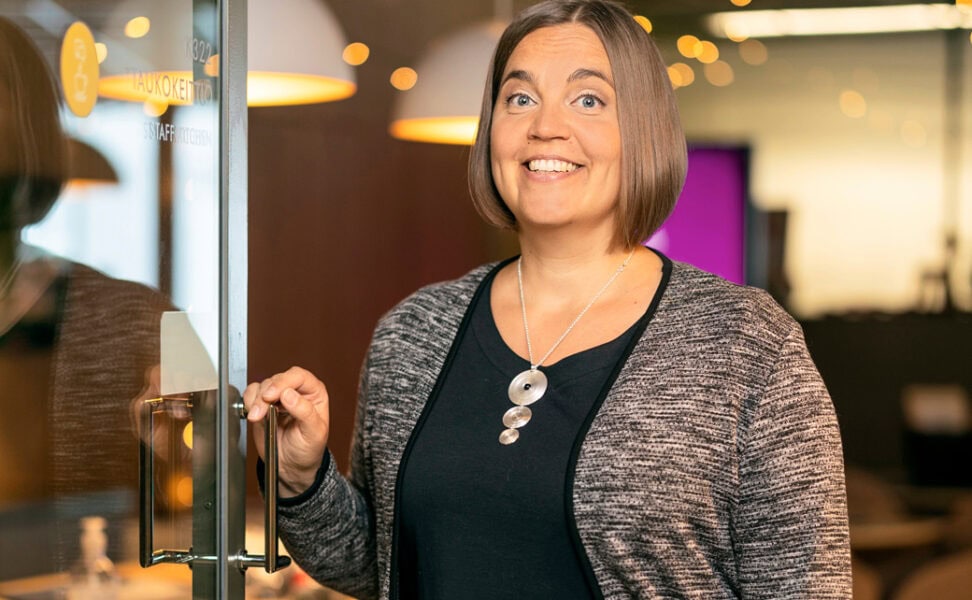
Heidi Kuusniemi: Professor of time, place, and space
Vuoden Professori 2025 on paikkatietotekniikkaan ja satelliittinavigointiin erikoistunut Vaasan yliopiston tietotekniikan professori Heidi Kuusniemi. Hän haluaa kehittää laajaa yhteistä hyvää palvelevia ratkaisuja ja menetelmiä. Hänen uransa aikana satelliittipaikannuksessa on otettu vallankumouksellisia harppauksia.
-

How is Finnish research policymaking guided?
The Research and Innovation Council makes strategic choices to guide RDI policymaking in Finland. Academics from higher education institutions and research institutes have also been allowed to participate.