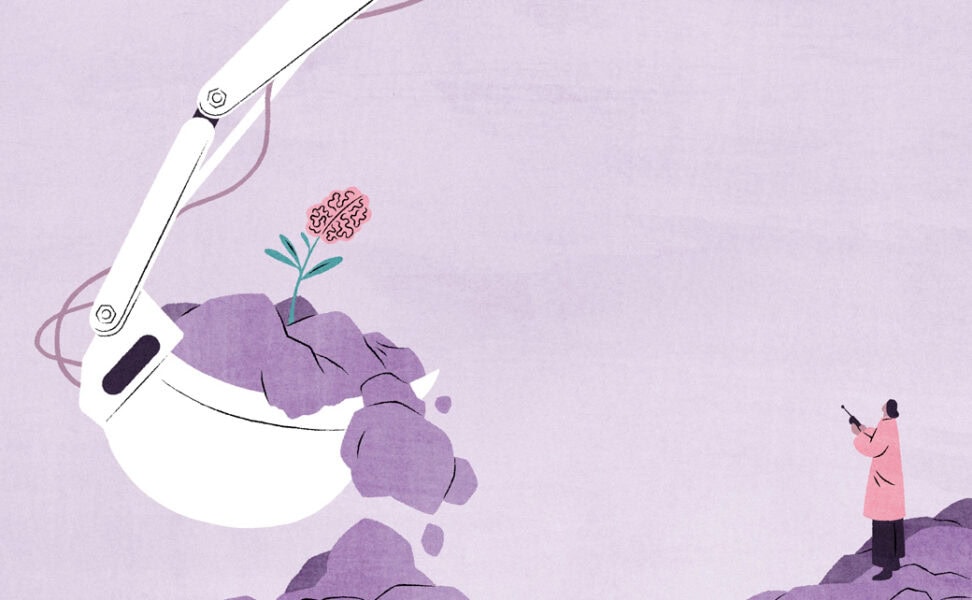
“Thinking is meant to be slow and painful”
Artificial intelligence methods enable analysis a human being is incapable of. Meanwhile, the world drowns in AI-generated slop. How has university work already changed?
Artificial intelligence methods enable analysis a human being is incapable of. Meanwhile, the world drowns in AI-generated slop. How has university work already changed?
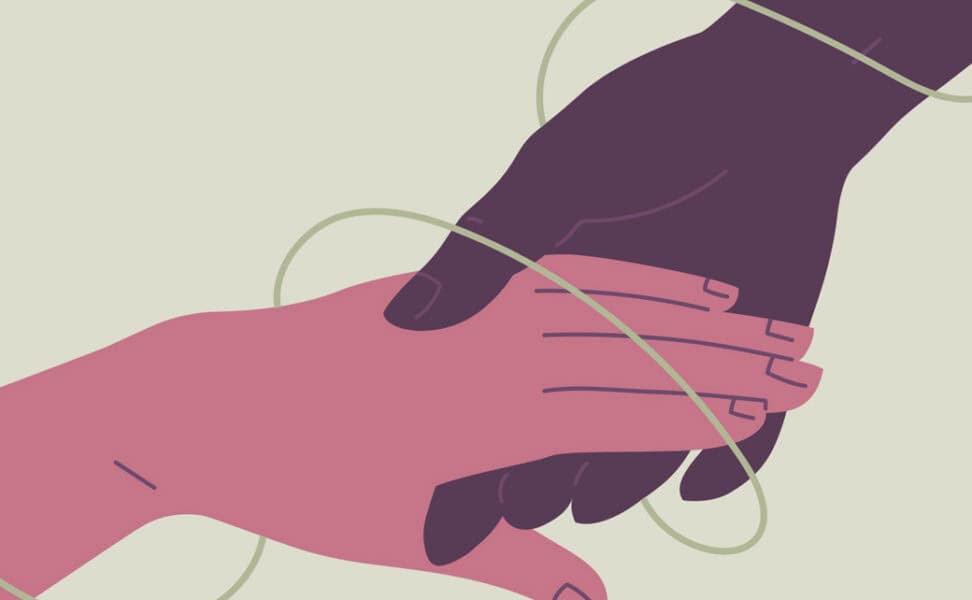
The university offering a list of sources to seek help from is not enough. The support of the closest work community is also important.
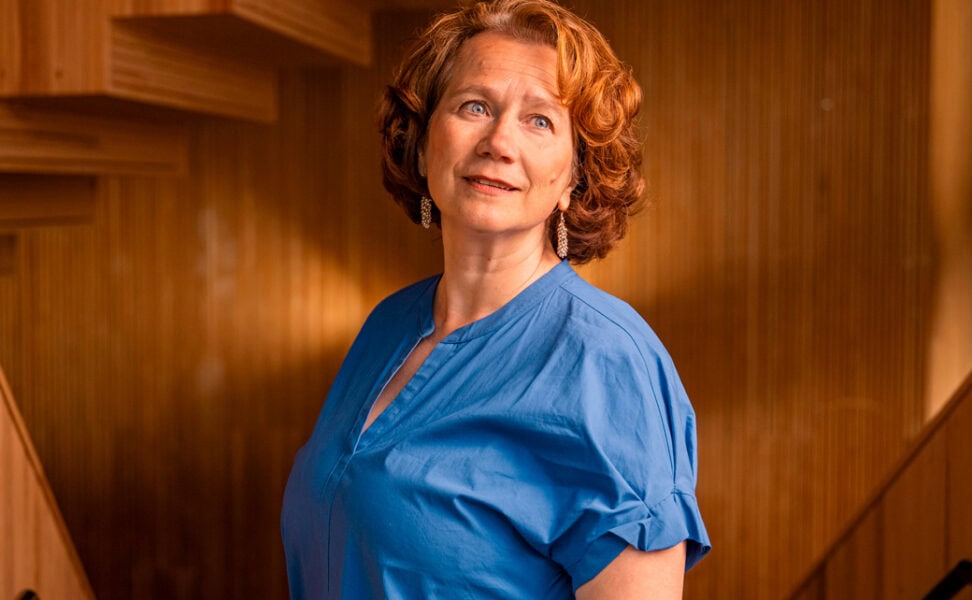
Anu Haapala builds a better future with information, blazes a trail for as many points of view as possible, and ponders the meta skills required in the future. She wants to keep the curriculum and research focus at the heart when needs for university education reform are considered.
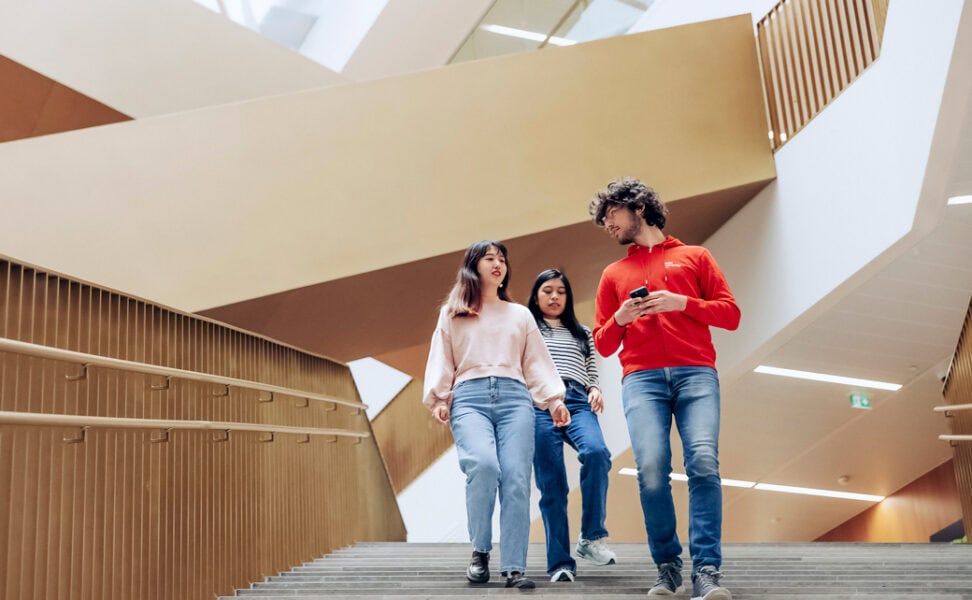
International experts do a significant amount of work in the education sector, especially in higher education institutions. Nearly a third of the teaching and research staff at Finnish universities already consists of foreign nationals, with the highest percentage of them at Aalto University.
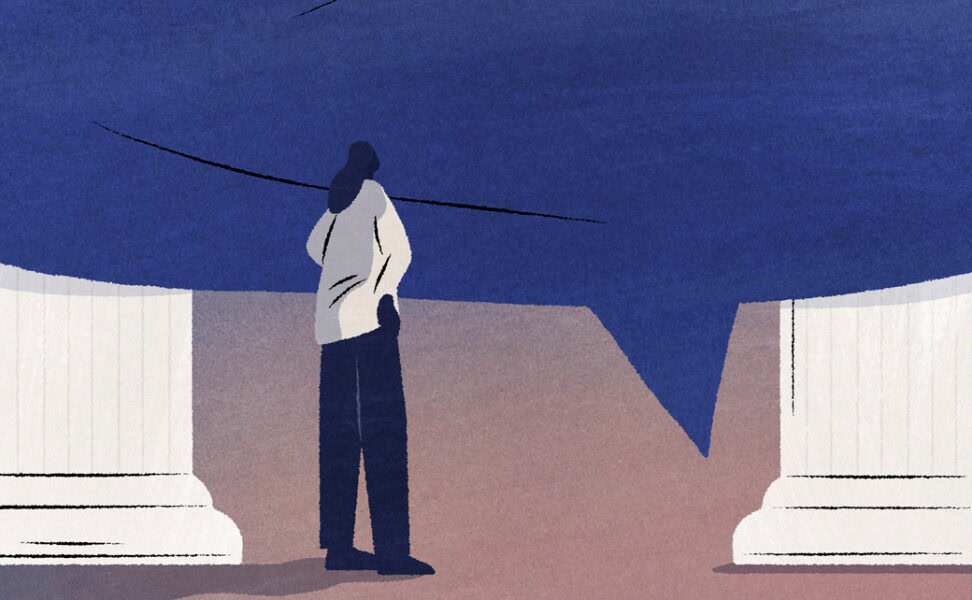
International staff at universities cannot be lumped in as a single group. People have very diverse experiences of organising their academic careers and the rest of their lives in a foreign country.
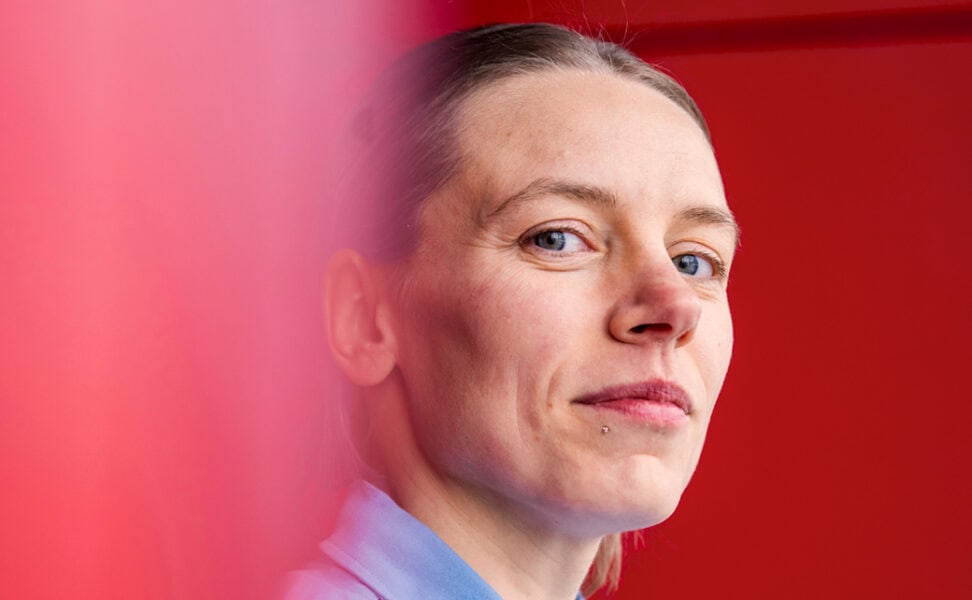
Media and communications researcher Veera Ehrlén believes that science is created together. She works with Young Academy Finland to build a community of researchers where expertise is shared, the voice of science is boosted, and research is made socially visible.
In Finland, the copyright to a research article principally belongs to its author or authors.
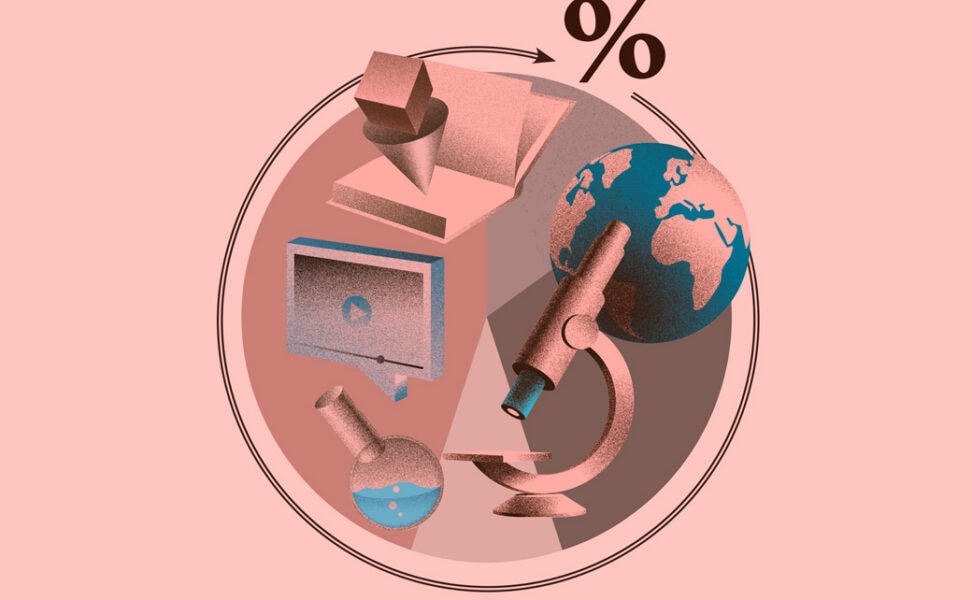
The new model agreed upon in the additional collective agreement protocol drawn up in 2025 is raising concerns over increased working hours for teachers. The Tampere University and University of Lapland are heading into trials.
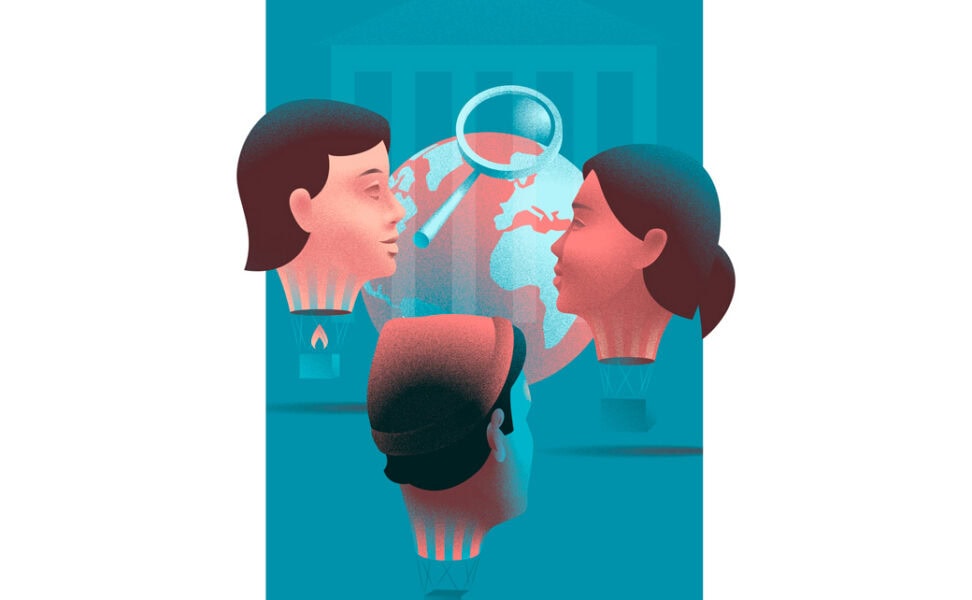
How can university people foster the national languages in the science community’s daily life, staff rooms and lecture halls? And could the use of native language fight anti-science sentiment?
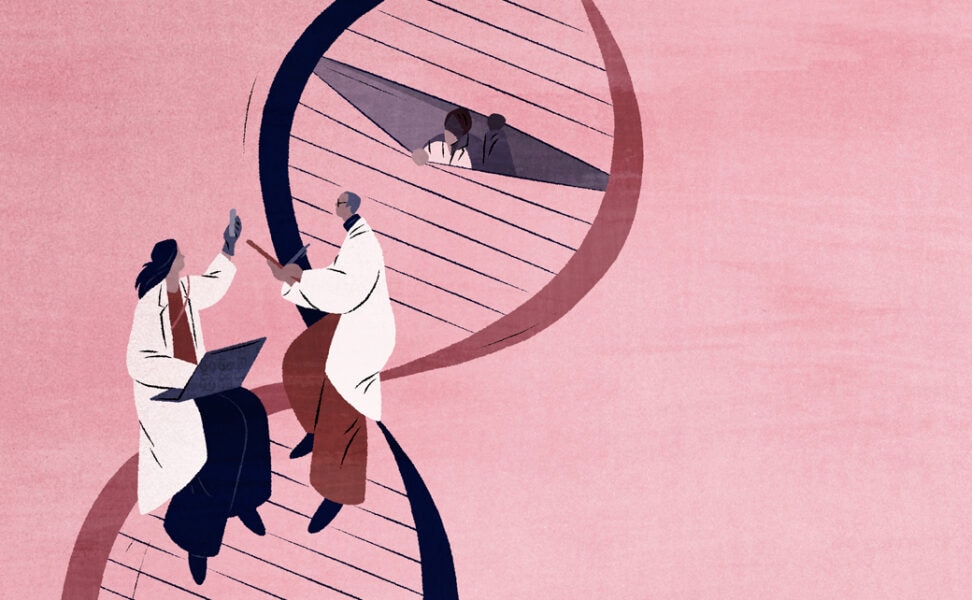
Geopolitical tensions creep their way into the work at higher education institutions as well. Freedom of research should not be restricted in the name of safety – it is especially important to protect right now.
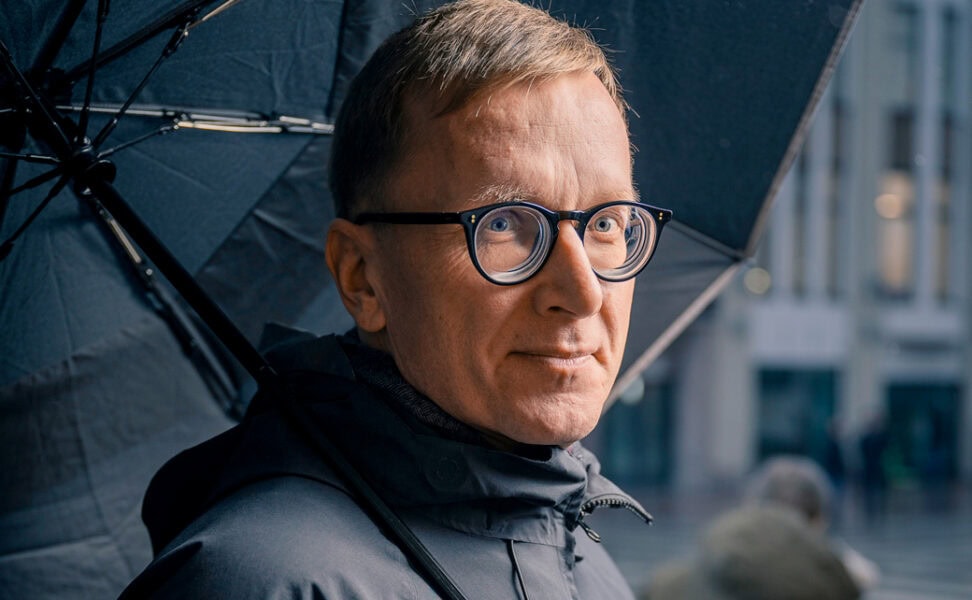
Professor of the Year 2026 Jani Erola is also one of the fifteen recently appointed Research Council of Finland Academy Professors. His new project studies the connections between increased level of education, job market changes, and new technology in social inequality.
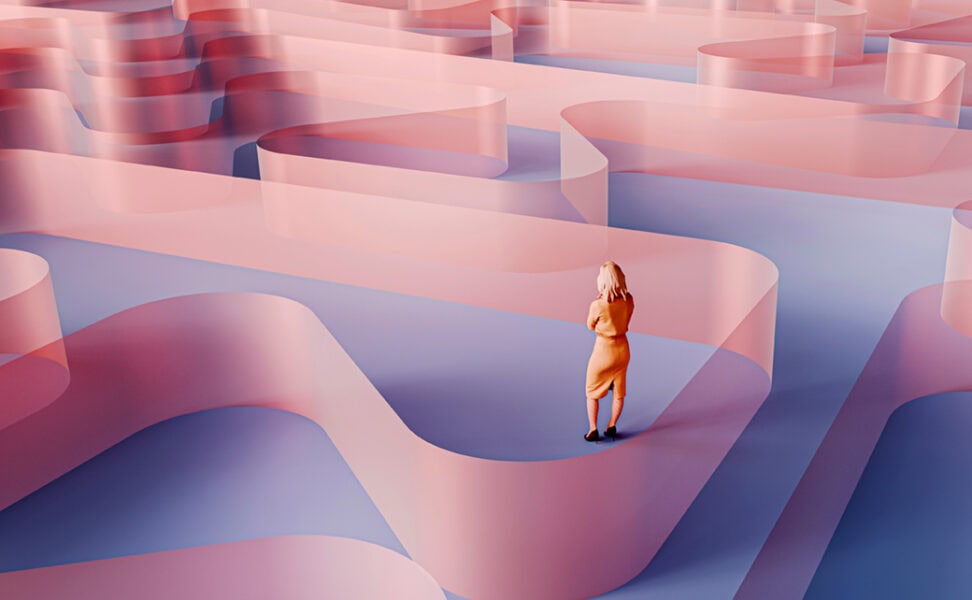
Employment in academia can be like a jungle. The field is known for its repeated fixed-term contracts and juggling different tasks. Shop stewards help guide university employees through this jungle.
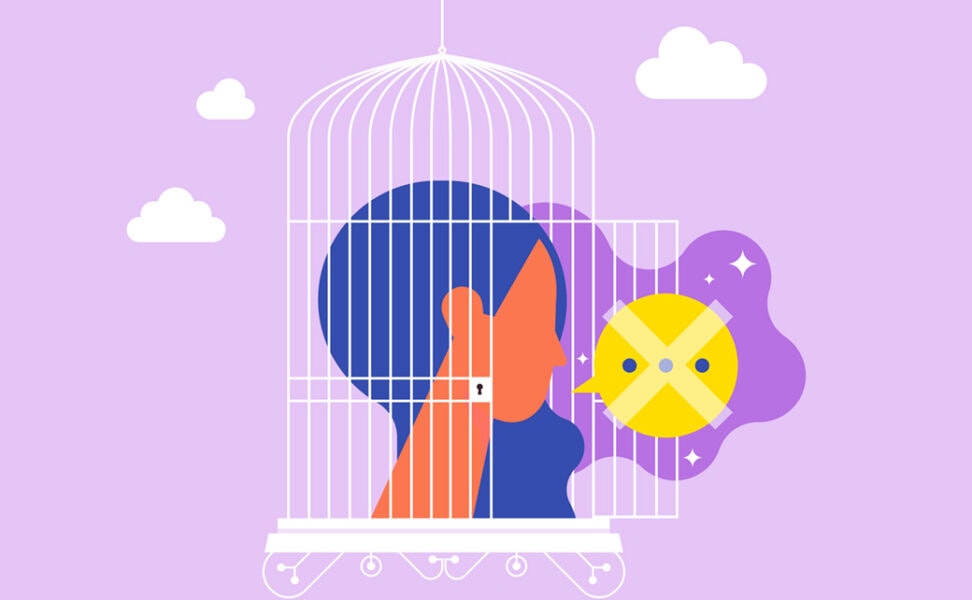
University atmosphere determines what a teacher is able to say when teaching and what is kept quiet. According to several researchers, these subjects have changed in the last decades.
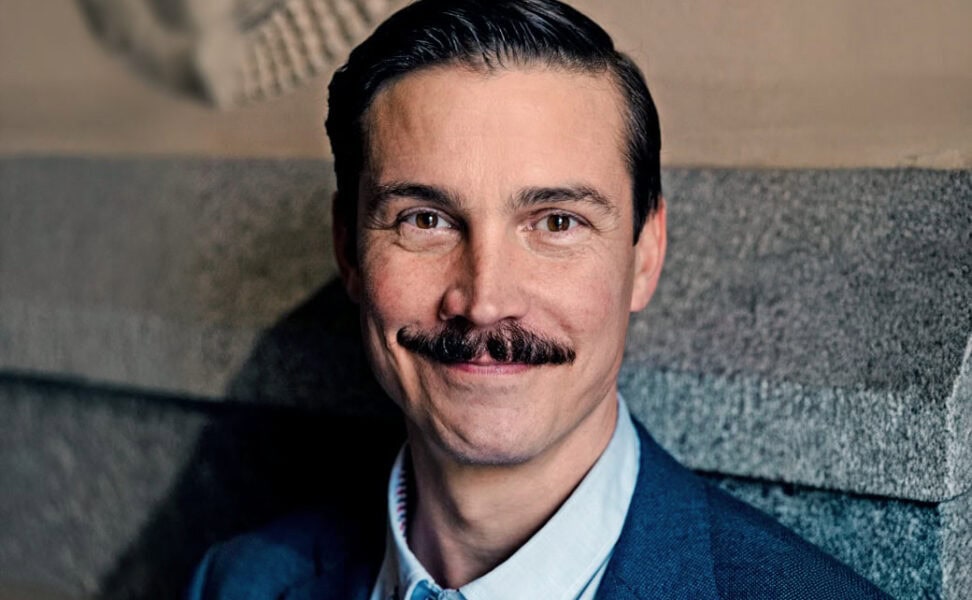
Intentional misunderstandings, hate speech, silencing attempts. Academic of the Year, researcher and non-fiction writer Timo R. Stewart has had to witness these over the course of his career. In his opinion, a researcher conducting science with public funds plays an important role in social discourse.
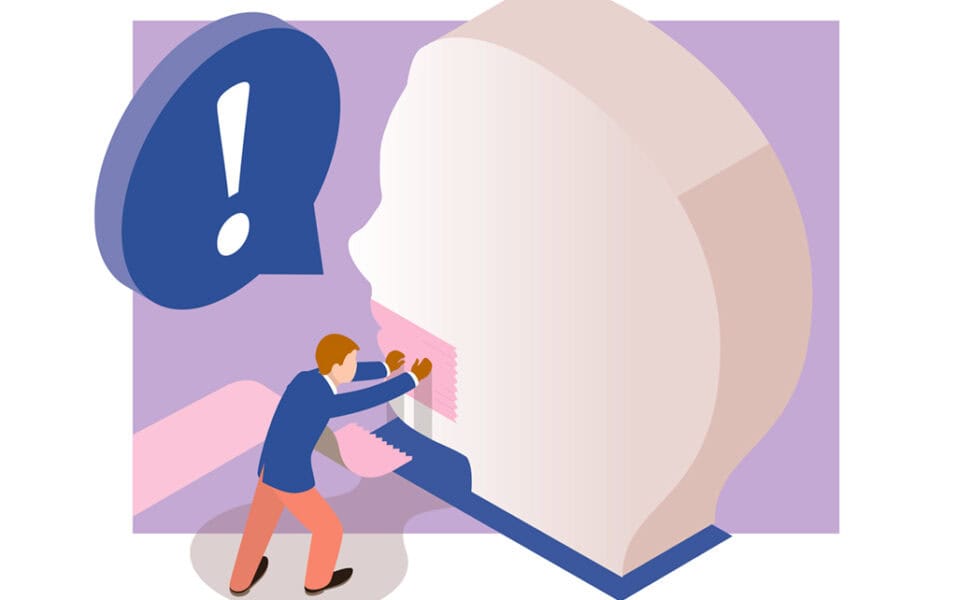
Harassment and coercion threaten the work of researchers and other experts. To ensure their freedom of expression, coordinated cooperation from the research community is required, both domestically and internationally.
The Trump administration is cutting research funding and compiling lists of banned words. But Europe is not free of threats against science either.